Process fit
MIG, TIG, stick, plasma, and multiprocess choices are compared against bead goal, operator skill, material condition, shielding gas access, and mobility.
Buying a welder is easier when the conversation stays grounded in the workpiece. Hobart service support helps teams describe material thickness, joint access, shop power, wire or electrode plans, duty cycle expectations, and the place where the machine will live. That practical picture turns a broad catalog into a manageable shortlist for fabrication benches, farm repairs, training labs, maintenance carts, and light production cells.
Our friendly approach is especially useful when one crew has mixed experience levels. A senior welder may ask about arc starts and penetration, while a purchasing manager needs dealer availability, consumables, and a clear path for replacement parts. This service page keeps those needs in one workflow.
Plan a service conversation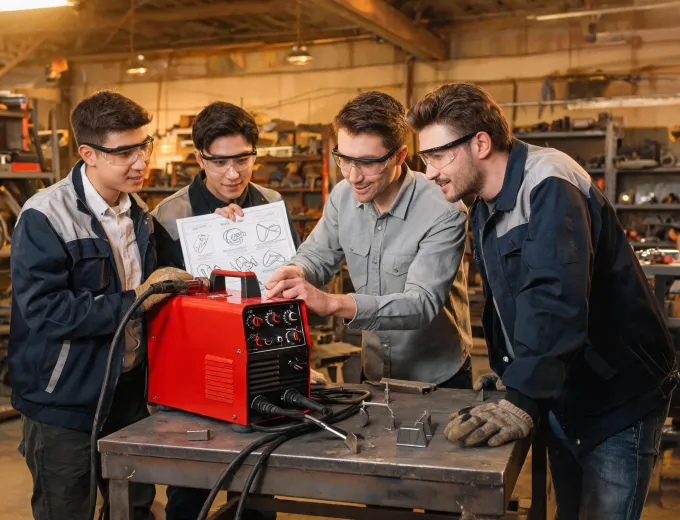
Each lane is written for buyers who want useful guidance without a lecture. The goal is to help the user explain the job, compare machine families, and understand what must be ready before the first bead or cut.
MIG, TIG, stick, plasma, and multiprocess choices are compared against bead goal, operator skill, material condition, shielding gas access, and mobility.
Input voltage, extension leads, generator use, breaker limits, and duty cycle are discussed before a buyer selects a machine size.
Wire diameter, polarity, contact tips, tungsten, electrodes, work clamp position, and sample coupons are organized into a simple launch list.
Once the shortlist is practical, the buyer can move toward a dealer conversation with cleaner notes and fewer missing details.
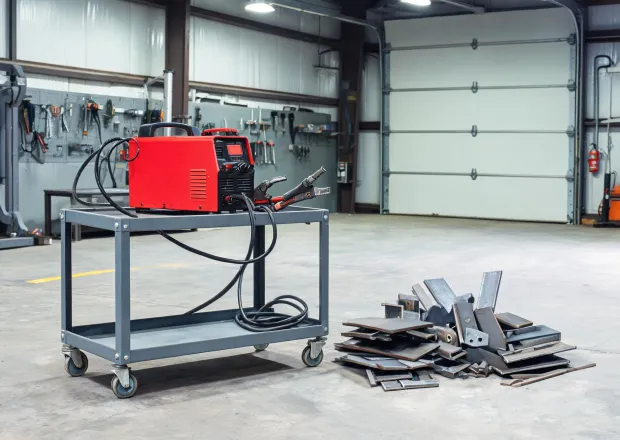
A facility team may weld brackets in the shop one day and repair guards near equipment the next. Hobart service guidance starts with the distance to power, the type of electrode or wire available, the thickness range, and how much setup time the operator can spare. That keeps portability from being treated as a buzzword and turns it into concrete questions about lead length, input voltage, storage, and consumables.
For these crews, the service outcome is often a short recommendation note: likely process, acceptable power range, safety reminders, and the dealer items to confirm. The note helps maintenance leaders brief purchasing without losing the operator's field details.
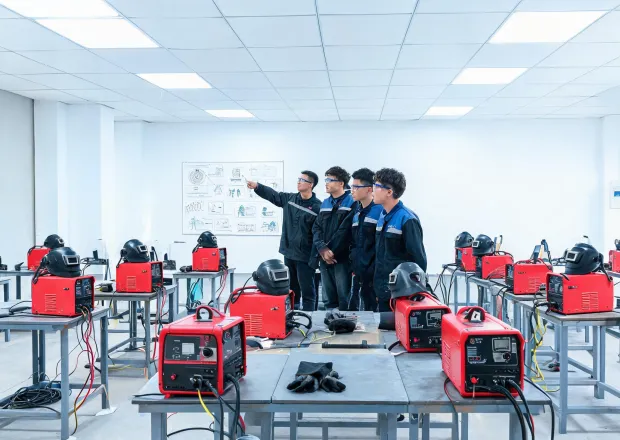
In a school or onboarding cell, the machine has to be approachable for new hands while still showing correct welding habits. Hobart service support can frame the station around process learning: what students will weld first, when they move to thicker material, which controls must be easy to explain, and how instructors want to handle consumable replacement. The result is a calmer purchase discussion and fewer surprises when a class fills every booth.
That same structure also helps small fabrication teams train new operators. The equipment choice becomes part of a routine that includes test coupons, parameter cards, PPE checks, and a clean way to ask for help.
Share the process you prefer, the metal thickness, the power you have, and whether the machine will stay on a bench or move across the site.